
How to Pick the Best Care Home for Your Loved One
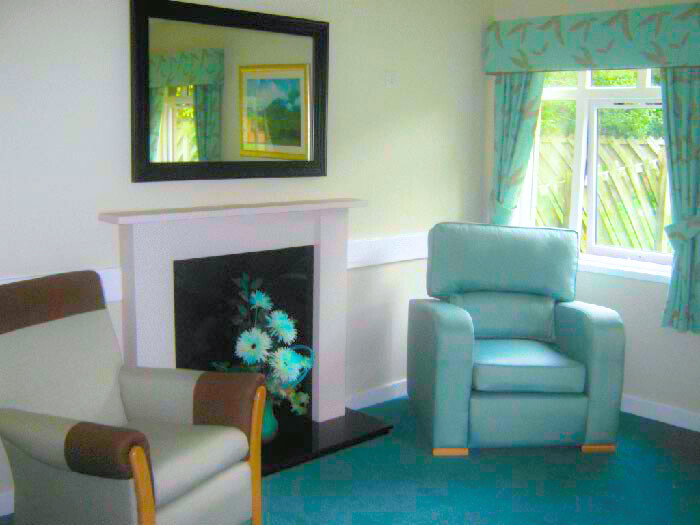
Searching for a care home is rarely something families do lightly. More often than not, it comes after weeks or months of worry, quiet conversations, and that growing feeling that something needs to change. You might be asking yourself whether your parent is coping at home, whether they are safe, or whether they are feeling lonely even if they do not say it out loud.
Knowing how to find a care home that truly feels right can make all the difference, not just for the person moving in, but for the whole family too.
When Families Start Looking for a Care Home
Many people begin searching online with questions like how to find a care home or how to know if your parents need a care home. These searches often come from a place of concern rather than certainty.
You may notice small changes first. Missed meals, forgotten medication, a decline in personal care, or increased isolation. Sometimes it is a fall or a hospital stay that brings everything into focus. For others, it is simply the realisation that day-to-day life has become harder and more tiring.
Choosing a care home is not about giving up independence or dignity. In many cases, it is about preserving both, while ensuring the right level of support is always there.
Understanding What Makes a Good Care Home
A good care home is not defined by how impressive the building looks from the outside. What matters most is how people feel once they walk through the door.
The best care homes feel calm, welcoming and lived in. Staff greet residents by name. There is laughter in the lounges and quiet spaces for those who prefer peace. You should sense warmth and respect straight away.
Good care homes also take time to understand each resident as an individual. This means learning about routines, preferences, life history, and what makes someone feel comfortable. Care should never feel rushed or impersonal. It should feel familiar and reassuring.


How to Go About Finding a Care Home
When families begin finding a care home, it can feel overwhelming. There are often many options listed online, each promising excellent care.
A helpful first step is to think about what your loved one needs now, but also what they might need in the future. Some people require support with daily living, while others may need more specialist care as time goes on. Choosing a home that can adapt as needs change can reduce the stress of another move later on.
Reading care home reviews can be useful, but they should be taken as part of a wider picture. Look for patterns rather than isolated comments, and pay attention to how the home responds to feedback.
Visiting a Care Home and What to Look For
A visit is one of the most important parts of choosing a care home. It gives you a chance to look beyond photos and descriptions and see daily life in action.
When you visit, notice how staff interact with residents. Are they patient, kind, and attentive? Do residents seem relaxed and comfortable? Is there a choice of activities or quiet areas for rest?
It is also worth asking questions during a care home visit, even if it feels awkward at first. You might want to ask how care plans are created, how families are kept informed, or what happens if care needs change over time. A good home will welcome these questions and answer openly.
Trust your instincts. If something does not feel right, it is okay to keep looking.
Choosing a Care Home for Dementia or Complex Needs
For families looking to find a care home for dementia, the decision can feel even more emotional. Dementia care requires patience, consistency, and a deep understanding of how memory loss affects behaviour and emotions.
A good care home will focus on familiarity and routine, helping residents feel safe and understood. Staff should be trained in dementia care and confident in supporting changing needs while maintaining dignity and respect.


Even if dementia care is not needed right now, it can be reassuring to choose a home that offers a continuum of care. This means your loved one can remain in familiar surroundings even if their needs increase in the future.
Supporting Families Through the Decision
One of the hardest parts of finding a care home is the emotional weight that comes with it. Many family members feel guilt, worry, or fear of making the wrong choice.
It is important to remember that needing extra support is not a failure. In fact, recognising when someone needs more care is an act of love. A good care home supports not only residents but their families too, offering reassurance, communication, and peace of mind.
The right home will work in partnership with families, keeping them involved and informed, and welcoming visits as part of everyday life.
Taking the Next Step with Confidence
There is no single perfect formula for how to pick the best care home. What matters most is finding a place where your loved one feels safe, valued, and genuinely cared for.
Take your time where possible. Visit more than one home. Ask questions. Listen to your instincts. And remember that good care homes exist to improve quality of life, not take it away.


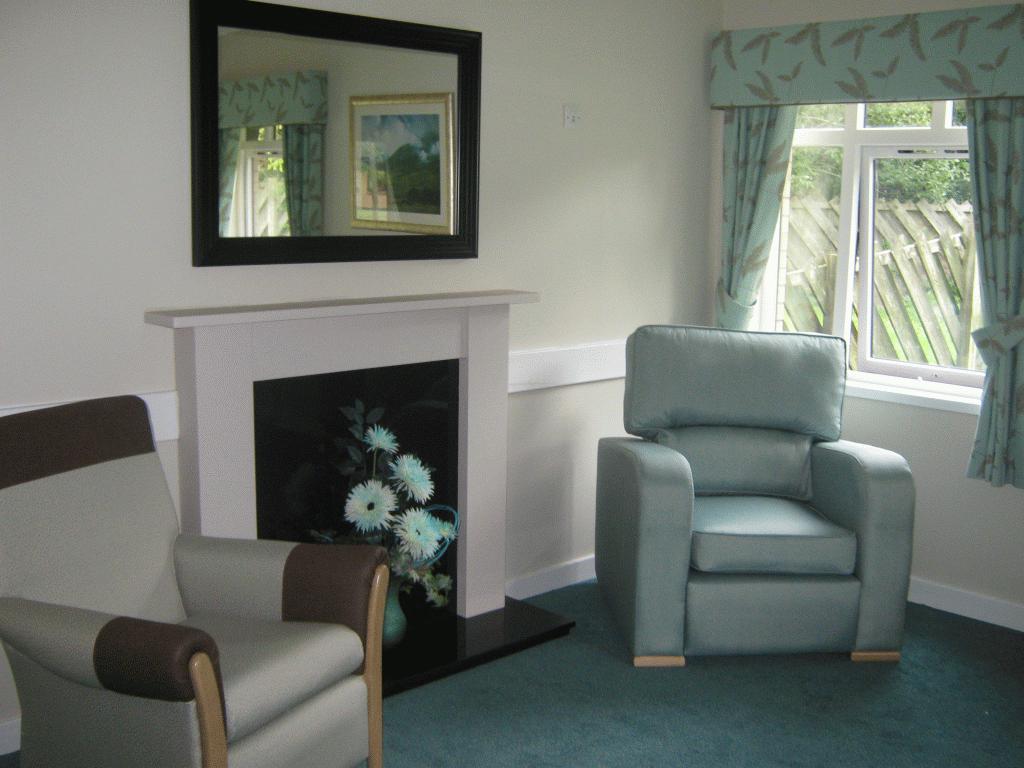
Finding a Care Home in Irvine and North Ayrshire
For families in and around Irvine who are looking for a supportive and welcoming care home, having a trusted local option can bring real peace of mind. At Cumbrae Lodge Care Home in Irvine, we understand how emotional and daunting this decision can feel. Our team is here to offer guidance, answer questions honestly, and support both residents and families every step of the way.
If you are exploring care options for a loved one and would like to learn more about life at Cumbrae Lodge Care Home in Irvine, we would be happy to welcome you for a visit or a friendly conversation about your needs.