A Day in the Life in a Care Home: Daily Routines & Activities

Moving into a care home is a big decision, and for many people and families, one of the first questions is a simple but important one: what does daily life actually look like?
While every care home is slightly different, the overall structure of the day tends to follow a familiar rhythm. The focus is always on comfort, routine, independence where possible, and creating a supportive environment where residents can feel at home.
Rather than being a rigid schedule, the day is shaped around people, their preferences, their routines, and what makes them feel most comfortable. Here’s a closer look at what a typical day in a care home might involve.
A Gentle Start to the Day
Mornings in a care home usually begin at a relaxed pace. There’s no rush or strict timetable. Instead, residents are supported to wake up when they’re ready and start the day in a way that suits them.
Care staff are on hand to offer help with personal care, dressing, or mobility support where needed. At the same time, independence is always encouraged, allowing residents to continue doing as much as they comfortably can for themselves.
Some people prefer a quiet morning in their room, enjoying a cup of tea or reading the paper. Others like to head straight to shared spaces to start the day with conversation and company.
Breakfast is typically a calm and friendly experience, with familiar options such as cereal, toast, porridge, fruit, and hot drinks. It’s also a chance for gentle social interaction and a reassuring start to the day.


Morning Activities and Engagement
After breakfast, many care homes offer a range of morning activities. These are designed to suit different interests, abilities, and energy levels, so residents can choose what feels right for them.
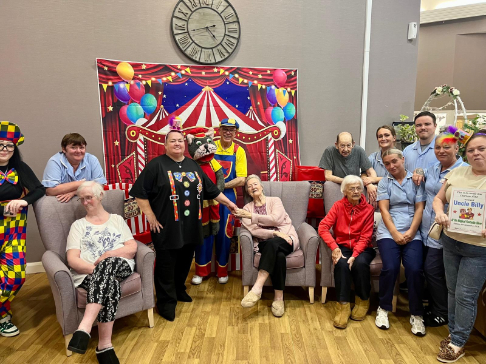
Activities may include light exercise sessions to support mobility, music and singing groups, creative arts and crafts, or gentle brain stimulation games such as quizzes and word activities.
Reminiscence sessions are also common, encouraging conversation about memories, life experiences, and personal stories. These can be particularly meaningful, helping residents stay connected to their past while engaging with others in the present.
Importantly, participation is always optional. Some residents prefer to spend time quietly, and that choice is always respected.
The Importance of Pet Therapy and Companionship
In many care homes, pet therapy plays a valued role in daily life. Visits from therapy animals, often dogs or small animals, can bring comfort, joy, and a sense of calm.
For some residents, it can spark memories of past pets or simply provide a soothing presence. Even short interactions can have a positive impact on mood and emotional wellbeing.
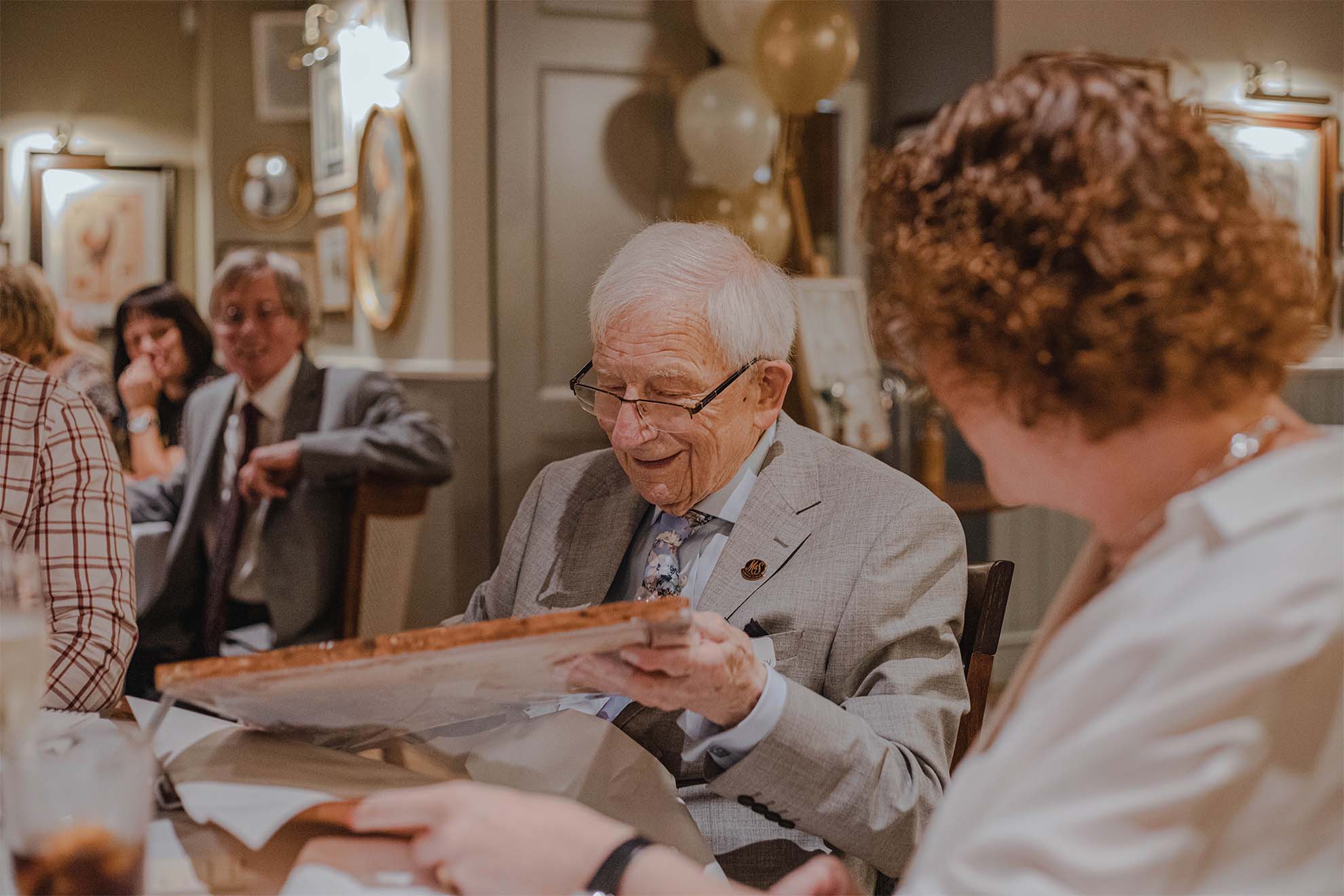
Alongside this, companionship is at the heart of care home life. Staff take time to build relationships with residents, learning their preferences, routines, and interests. Fellow residents also become an important part of daily life, helping to create a sense of community and belonging.
Mealtimes as a Shared Experience
Mealtimes are an important part of the day in any care home, not just for nutrition, but for routine and social connection.
Meals are typically freshly prepared and designed to be both nourishing and enjoyable. Menus often include familiar, comforting dishes alongside a variety of options to suit different dietary needs and preferences.
Lunch is usually the main meal of the day and is often enjoyed in a communal dining space. This shared environment encourages conversation and helps build relationships between residents.
Afternoon tea is another key moment in the day, often featuring lighter snacks, cakes, or biscuits alongside a hot drink. It provides a relaxed opportunity to unwind and socialise.

Afternoon Activities and Free Time
Afternoons tend to offer a balance between organised activities and personal time. Residents are encouraged to choose how they would like to spend their time, whether that’s joining in group activities or relaxing independently.
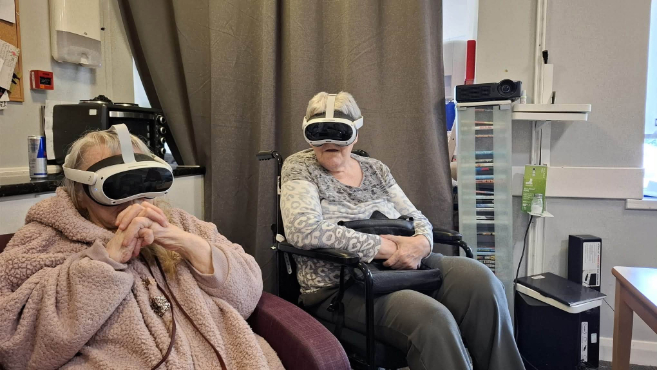
Common afternoon activities might include gardening, film screenings, baking sessions, board games, or craft-based hobbies. Some care homes also offer one-to-one sessions for residents who prefer more individual engagement.
The aim is not to fill every moment, but to provide meaningful options. Some residents enjoy being active and involved throughout the day, while others prefer quieter routines. Both are equally supported.
Time Outdoors and Fresh Air
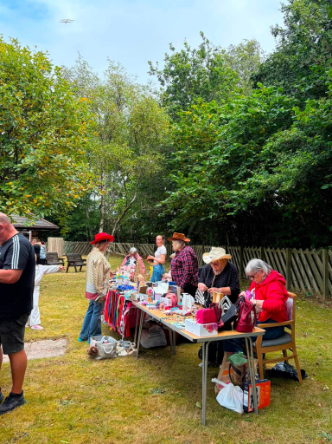
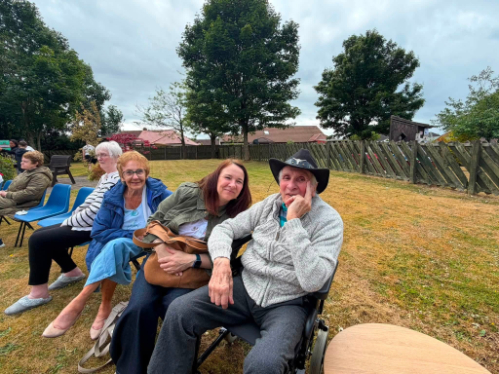
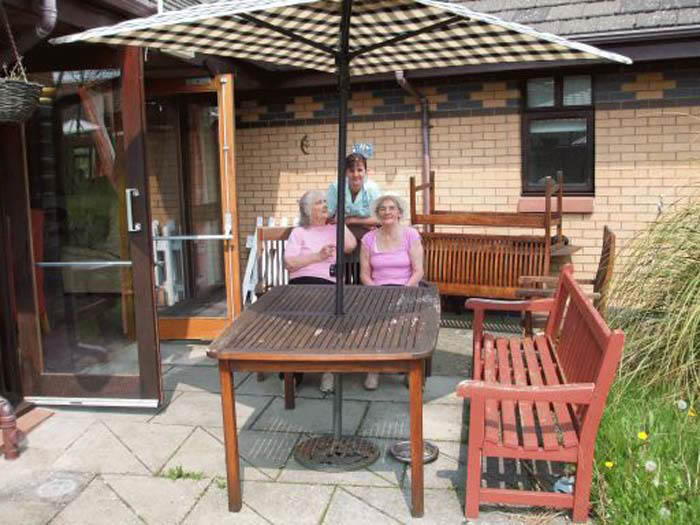
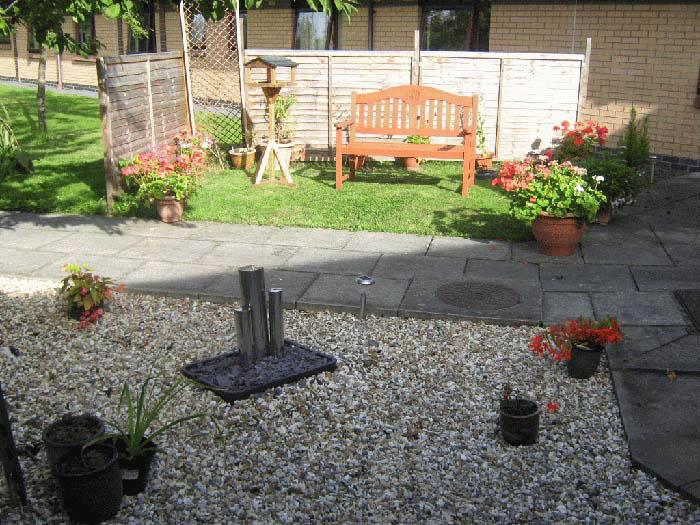
Where possible, time outdoors is an important part of daily life. Gardens and outdoor seating areas give residents the opportunity to enjoy fresh air, change of scenery, and a sense of connection with nature.
Even short periods outside can be beneficial, supporting wellbeing and providing a calming environment. Whether it’s a gentle walk, sitting in the sun, or simply enjoying the surroundings, outdoor spaces are often a valued part of the day.
Staff are available to support residents outdoors, ensuring accessibility and comfort at all times.
Evening Routine and Wind Down
As the day comes to an end, care homes naturally shift into a calmer pace. Evening meals are served, followed by quieter activities or personal relaxation time.
Some residents may choose to watch television, listen to music, or read, while others prefer to chat with staff or fellow residents. Staff remain available throughout the evening to provide support with personal care and bedtime routines.
The focus is always on comfort, familiarity, and helping residents feel settled as they prepare for a restful night.
A Routine Built Around People, Not Timetables
While there is structure to the day, care home life is never about rigid schedules. It is about flexibility, choice, and understanding individual needs.
Every resident is different, and daily routines are shaped around what makes each person feel most comfortable and supported. Whether someone prefers a busy, social day or a quieter pace, care homes aim to create an environment where both are equally possible.

Experience Daily Life for Yourself
If you’re exploring care options for yourself or a loved one, it can be helpful to see daily life in action. Reading about routines is one thing, but experiencing the atmosphere, meeting staff, and seeing the environment can make a real difference.
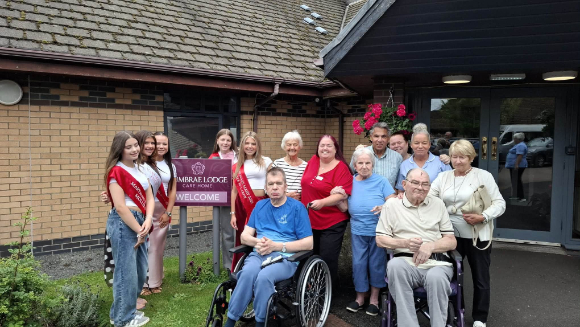
At Cumbrae Lodge Care Home, daily life is centred around comfort, companionship, and personalised care. From mealtimes and activities through to quiet moments and social engagement, the home is designed to support residents in living each day in a way that feels familiar and meaningful.
Speak to our team to arrange a visit and see first-hand how everyday life works within the home. We’re always happy to answer questions and show you what makes our approach to care feel so personal and welcoming.