Understanding the Early Signs of Dementia and When to Seek Support
Receiving a dementia diagnosis often begins with noticing small changes that seem out of character. Forgetting appointments, repeating questions or becoming confused in familiar places can be easy to dismiss as part of getting older, but persistent changes in memory, thinking or behaviour should never be ignored.
Recognising the early signs of dementia can help families seek advice sooner, giving their loved one access to the right support while helping them maintain their independence and quality of life for as long as possible. At Cumbrae Lodge Care Home in Irvine, we understand that every person's experience with dementia is different, which is why personalised, compassionate care is at the heart of everything we do.
What Is Dementia?
Dementia is not a single disease but an umbrella term used to describe a group of symptoms caused by conditions affecting the brain. These conditions gradually impact memory, reasoning, communication and the ability to carry out everyday tasks.
There are many different types of dementia, including Alzheimer's disease, vascular dementia, Lewy body dementia and frontotemporal dementia. Each affects people differently, and symptoms can develop gradually over several years.
Although dementia is more common in later life, it is not a normal part of ageing. Many people continue to live fulfilling lives for years after diagnosis with the right care, treatment and support.
Recognising the Early Signs of Dementia
The first signs of dementia are often subtle and may vary from person to person. Families are usually the first to notice changes because they see differences in everyday routines and behaviour over time.
One of the most common early signs is memory loss that begins to affect daily life. Someone may repeatedly ask the same questions, struggle to remember recent conversations or misplace items more frequently than before.
Alongside memory changes, people may find planning or solving everyday problems more difficult. Managing finances, following a familiar recipe or organising appointments can become increasingly challenging.
Some people also experience confusion about time or place. They may become disorientated when visiting familiar locations or lose track of dates and appointments.
Communication can also become more difficult. A loved one may pause during conversations, struggle to find the right words or lose the thread of what they were saying, leading to frustration and reduced confidence.


Changes Beyond Memory
Many families are surprised to learn that dementia affects much more than memory alone.
You may notice changes in mood, personality or behaviour. Someone who has always been outgoing may become withdrawn, while others may experience increased anxiety, irritability or reduced confidence.
Hobbies and interests may also begin to change. Activities that once brought enjoyment may become difficult or overwhelming, causing people to lose motivation or stop participating altogether.
Recognising these emotional and behavioural changes is just as important as noticing memory problems, as they can often be early indicators that someone needs additional support.
Why an Early Diagnosis Matters
Seeking medical advice early allows healthcare professionals to investigate the cause of symptoms and rule out other conditions that can sometimes mimic dementia.
An early diagnosis also gives families time to understand the condition, plan for the future and access support services that can make a significant difference. Medication may help manage certain symptoms for some people, while therapies, community groups and practical support can all contribute to maintaining independence.
Perhaps most importantly, it allows the individual to be involved in decisions about their own care while they are still able to express their wishes and preferences.
Knowing When Additional Support May Be Needed
Many people continue living safely at home following a dementia diagnosis with support from family, friends and community services. However, as the condition progresses, additional care may become beneficial.
You may begin to notice that everyday tasks such as preparing meals, managing medication or maintaining personal hygiene are becoming increasingly difficult. Frequent falls, wandering or increasing confusion can also create safety concerns that place pressure on family carers.
Providing care for someone living with dementia can be incredibly rewarding, but it can also become physically and emotionally demanding over time. It is important to remember that asking for help is not giving up. Instead, it is about ensuring your loved one receives the support they need while protecting your own wellbeing.
How a Specialist Dementia Care Home Can Help
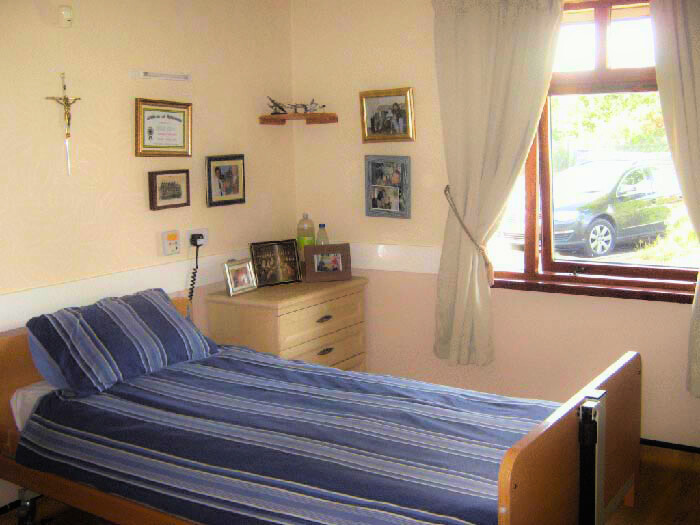
Moving into a care home is rarely just about practical support. It is about creating an environment where someone can continue living with dignity, purpose and reassurance.
A specialist dementia care home provides consistency, routine and personalised care that adapts as each resident's needs change. Experienced care teams take time to understand every individual's life story, preferences, routines and interests so care feels familiar and meaningful.
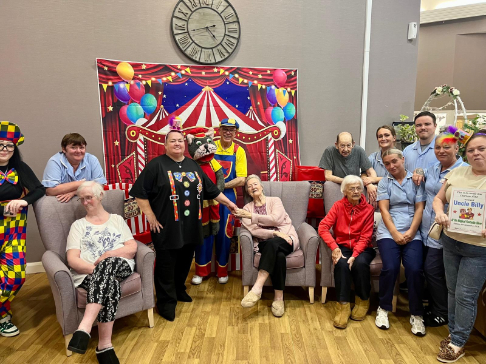
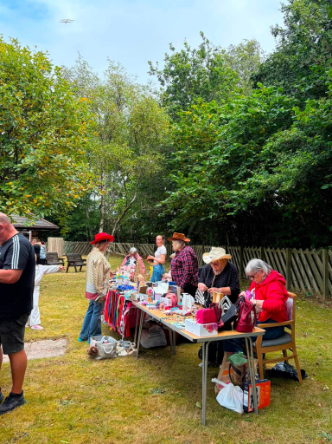
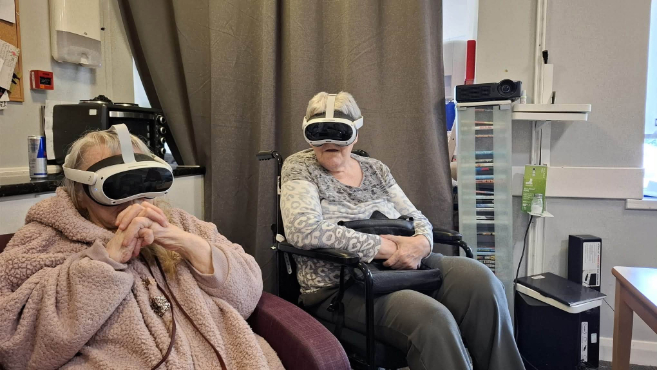
Daily activities are carefully planned to encourage cognitive stimulation, social interaction and enjoyment, while calm surroundings and familiar routines help reduce anxiety and promote confidence.
Families also gain reassurance knowing their loved one is supported around the clock by experienced professionals who understand the complexities of dementia care.


Supporting Families Every Step of the Way
Living with dementia affects the whole family, not just the individual receiving care. Questions, uncertainty and difficult decisions are all part of the journey.
At Cumbrae Lodge Care Home, we believe families should feel supported as well. Whether someone is considering respite care, exploring long-term dementia care or simply looking for advice, our team is always happy to answer questions and offer guidance without pressure.
By working closely with residents and their loved ones, we create personalised care that focuses on preserving independence, maintaining relationships and helping every individual enjoy the best possible quality of life.
Compassionate Dementia Care at Cumbrae Lodge Care Home
If you have started noticing changes in someone close to you, seeking advice early can make a real difference. Whether you are looking for information about dementia or exploring dementia care in Irvine or North Ayrshire, our experienced team is here to help.
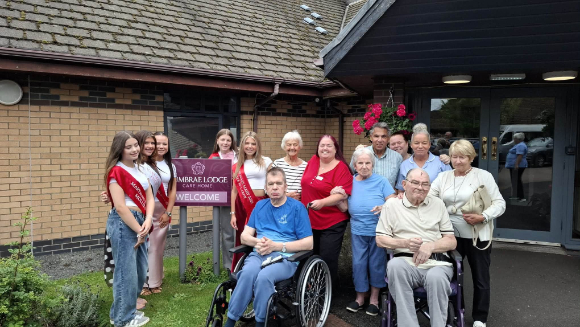
At Cumbrae Lodge Care Home, we provide compassionate, person-centred dementia care within a warm and welcoming environment where every resident is treated with dignity, respect and kindness. We take time to understand every individual, supporting them to continue enjoying meaningful activities, social connections and everyday moments that bring comfort and happiness.
If you would like to find out more about our dementia care services or arrange a visit, we would be delighted to welcome you and answer any questions you may have.